Prof. Bruce Hamaker, Purdue University, USA
"Precision prebiotic fibers for targeted microbiome response".
Dr Sarah Michel, Nestlé, Switzerland
“Challenges & Opportunities of Clean-Label Hydrocolloids”.
Prof. Elke Scholten Wageningen University, The Netherlands
"Structuring the sensory experience: the role of hydrocolloids in food design"
Prof. Francisco Vilaplana, KTH Royal Institute of Food, Sweden
"Enzymatic upcycling of agrifood side streams into dietary fibre hydrocolloids for enhanced resilience"
Prof. Anna Strom, Chalmers University of Technology, Sweden
Prof. Nik Watson, University of Leeds,
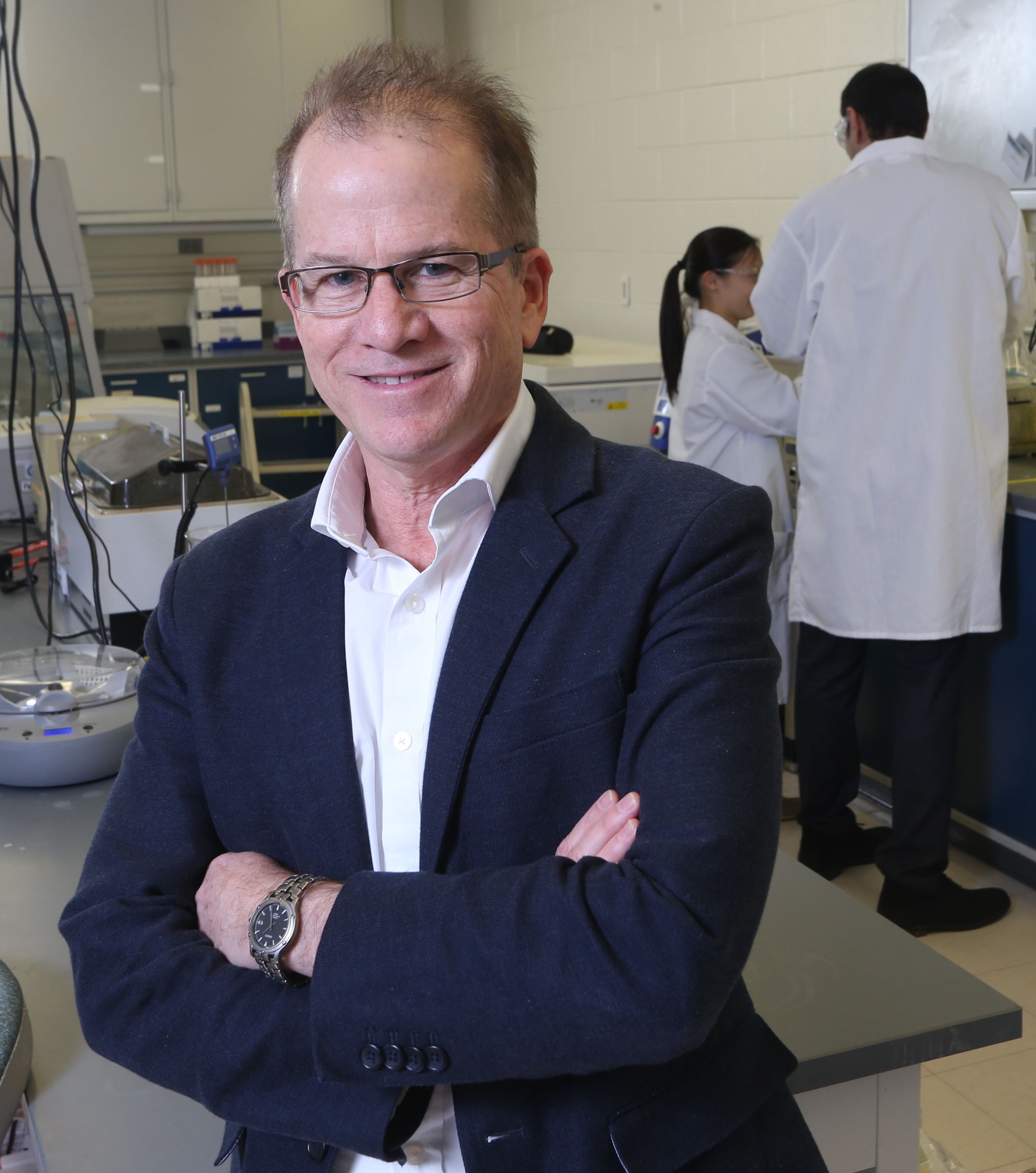 Bruce R. Hamaker
is Distinguished Professor of Food Science at Purdue University, West Lafayette, Indiana. He also holds the Roy L. Whistler Chair and is Director of the Whistler Center of Carbohydrate Research. He obtained his undergraduate degree in biological sciences from Indiana University; his graduate studies were in human nutrition (M.S.) and food chemistry (Ph.D.) from Purdue University, and post-doctoral study at a human metabolic laboratory (supervisor, George Graham, Johns Hopkins University). He was in the U.S. Peace Corps in Liberia, West Africa from 1977-1979. He has over 380 refereed publications in food science, human nutrition, biochemistry and broad-spectrum journals, as well as numerous book chapters. He has advised over 70 M.S and Ph.D. students and 30 post-doctoral scientists. Bruce’s research is known in the area of food carbohydrates with emphasis on dietary fibers and the gut microbiome, and glycemia and physiological systems. He also has worked in development-oriented research and applied programs in West and East Africa and Latin America.
 Sarah Michel
is a carbohydrate scientist in the Institute of Food Science at Nestlé Research & Development (Switzerland). Her research focuses on the impact of polysaccharide structure on their physico-chemical properties and their functionality in a food product. Her work encompasses the development of analytical methods to characterize the structure of hydrocolloids and novel or unrefined fibers, as well as their behaviour in solution and their interaction with other ingredients in a complex food matrix. These learnings aim at unravelling how specific food structures, obtained from specifically-chosen and processed polysaccharides impact a product sensory profile or stability over time. She is leading Nestlé R&D Carbohydrate network, which assesses novel carbohydrate-based ingredients for their functionality or their impact on the microbiome. She is co-inventor of over 20 patents supporting the launch and development of food, beverage and medical nutrition products.
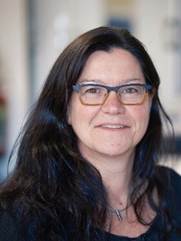 Elke Scholten
is a Professor in the group of Physics and Physical Chemistry of Foods at Wageningen University in the Netherlands. Her research group focusses on food structuring approaches with a variety of food grade materials, both dairy and plant-based, to change textural characteristics in a variety of foods systems. She aims to unravel relationships between texture perception and the structure, mechanical properties, and lubrication behaviour of such foods using a combination of rheology, tribology, and microscopy techniques. This knowledge is used to provide new guidelines for the reformulation of foods, including fat reduction, ingredient flexibility, and the design of plant-based foods. She is an associate editor of the journal Food and Function, and member of the editorial board of several other journals and on the scientific committee of several international conferences.
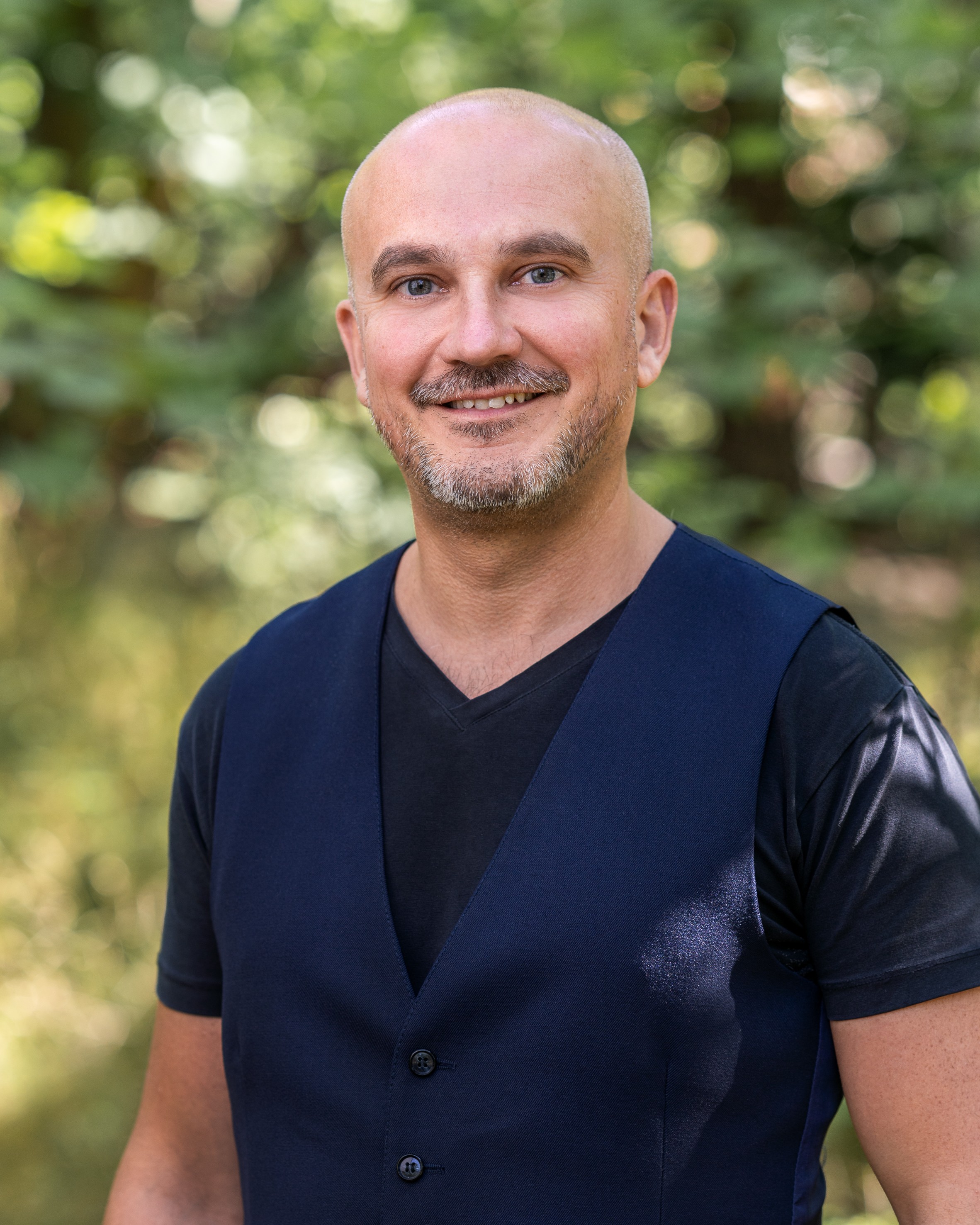 Francisco Vilaplana
is Professor of Carbohydrate Biotechnology at KTH Royal Institute of Technology in Stockholm (Sweden). Francisco is a Chemical Engineer from the Polytechnical University of Valencia (UPV) in Spain and holds a PhD in Polymer Technology from both UPV and KTH. After two postdoctoral stays in the Netherlands (University of Amsterdam) and Australia (The University of Queensland) he returned to Sweden in 2011 where he has developed his research activities in the academic and private sectors. Francisco has consolidated a broad research program on plant biochemistry, focused on the transformation of plant biomass through sustainable chemistry and biocatalysis. The impact of his research focuses on two key areas for the bioeconomy: lignocellulosic biobased materials and upcycling of agrifood side streams for functional and nutritional applications. He has published over 130 scientific publications on diverse fields coupled to Glycoscience, including plant sciences, bioprocess technology, material sciences, and food technology. He is founding Director of KTH FOOD (Centre for Sustainable and Healthy Food Systems) and Director of PLENTY (Centre for Symbiotic and Circular Food Provisioning), a Swedish centre with 5 academic members and 20 industrial and public partners. In 2026 he was awarded the Belfort Lectureship in Carbohydrate Science by Purdue University (US). During 2021-2023 he was the Chair of the Review Panel “Chemical Engineering, Bioprocess Technology and Environmental Technology” at the Swedish Research Council. During 2022-2024 he was part-time principal scientist at Oatly, where he led a research program on plant structure and health.